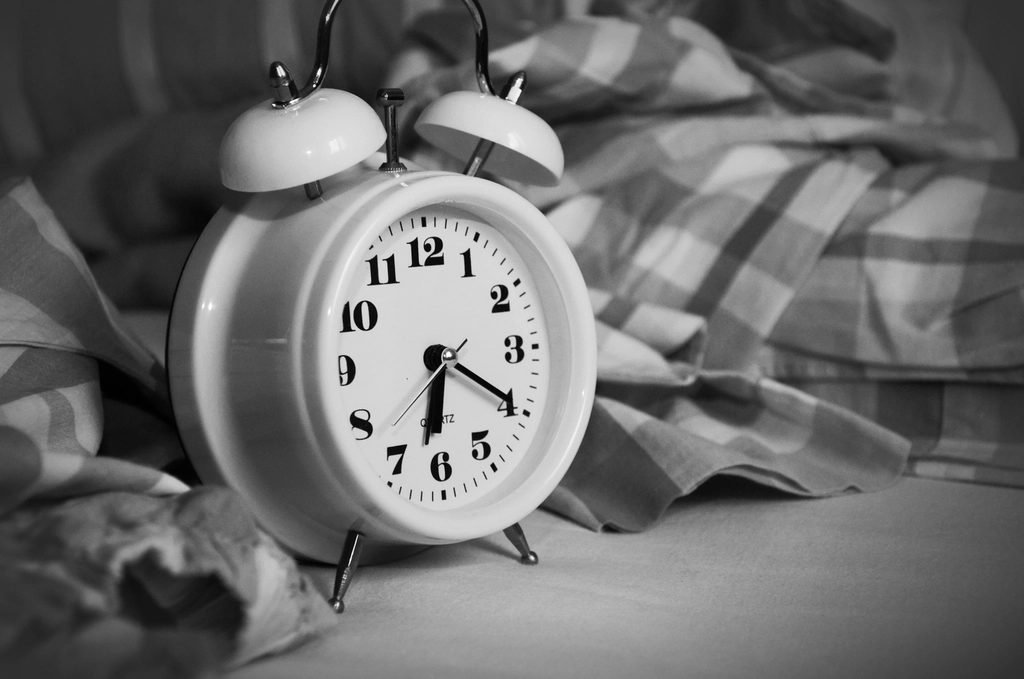
Ever notice that 7 hours of sleep sometimes leaves you more refreshed than 8? It's not random — it comes down to where in your sleep cycle your alarm goes off. Waking up mid-cycle, during deep sleep, is what causes that groggy, disoriented feeling even after "enough" sleep.
What Is a Sleep Cycle?
Sleep isn't one continuous state — your brain cycles through stages of light sleep, deep sleep, and REM (rapid eye movement, where most dreaming happens) roughly every 90 minutes. A full night is typically 5–6 of these cycles back to back. Waking up at the end of a cycle, when sleep is naturally lighter, feels far better than waking up in the middle of a deep-sleep stage.
Why Timing Matters More Than Just Total Hours
Two nights of "7.5 hours" can feel completely different depending on whether that duration lines up with the end of a full cycle. This is the whole idea behind cycle-based sleep timing: instead of just picking a number of hours, you count backward or forward in 90-minute blocks from your wake-up or bedtime.
How to Time Your Wake-Up
If you need to wake up at a fixed time (an early meeting, school, a flight), count backward in 90-minute blocks from that time, then add about 15 minutes for the average time it takes to actually fall asleep. Going to bed at one of the resulting times — rather than whatever time you happen to feel like it — gives you a better chance of waking up between cycles instead of in the middle of one.
How to Time Your Bedtime
Going the other direction works the same way: from your planned bedtime, count forward in 90-minute blocks (again adding ~15 minutes to fall asleep) to see several natural wake-up times, rather than guessing at a round number of hours.
Falling Asleep Right Now?
Other Habits That Support Better Sleep
- Keep a consistent sleep and wake time, even on weekends
- Limit screens and bright light in the hour before bed
- Avoid caffeine in the afternoon and evening
- Keep your bedroom cool, dark and quiet
Run your own numbers
Use our free Sleep Calculator — find your ideal bedtime or wake-up time
Open Sleep Calculator →