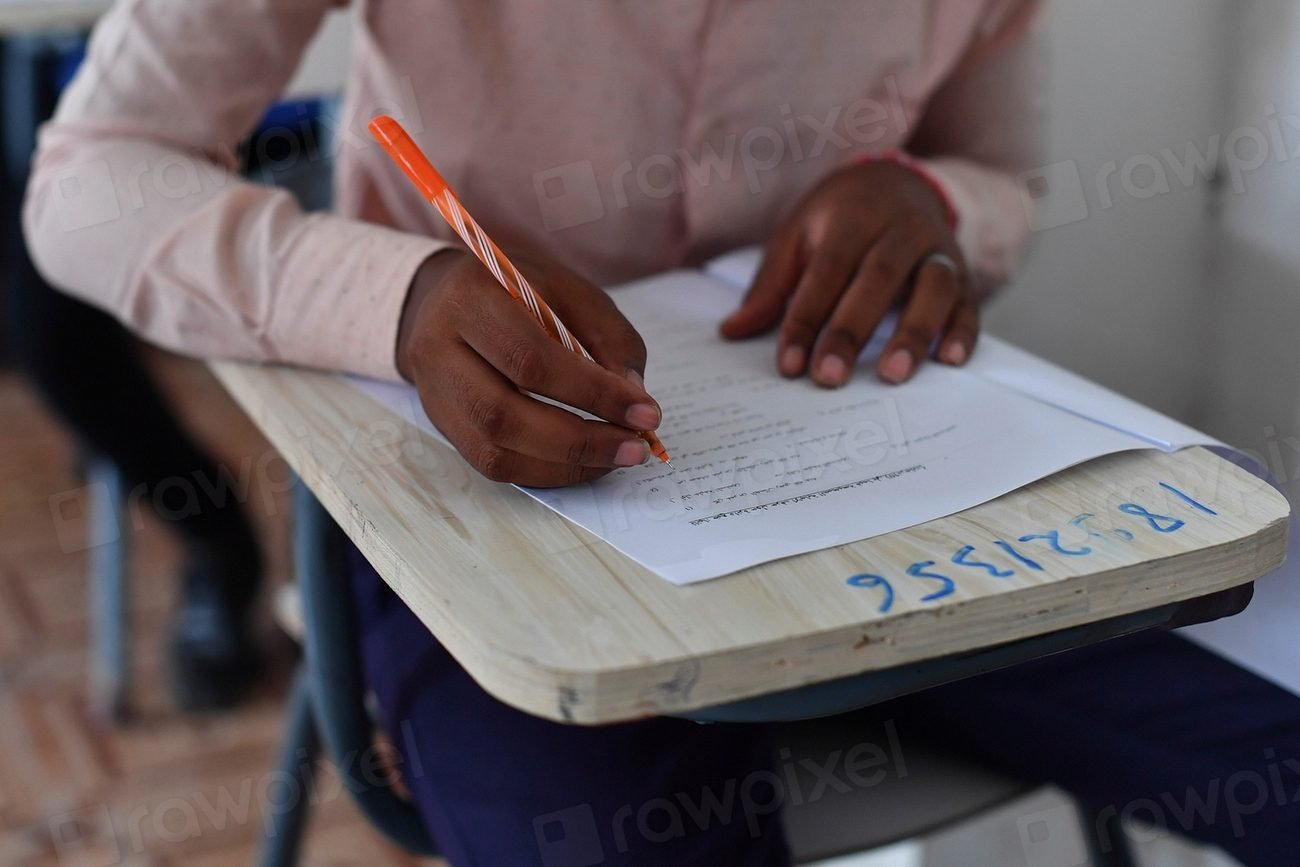
Testing yourself feels harder than rereading notes — and that difficulty is exactly why it works better. This is one of the most consistently replicated findings in learning research: retrieval beats review.
The Testing Effect
Actively retrieving information from memory (answering a quiz question) strengthens that memory more than passively re-reading the same material — even when the quiz attempt is wrong, the act of trying to recall still helps compared to not attempting retrieval at all.
Why This Feels Counterintuitive
Getting Quizzes That Target Your Real Material
A quiz generated from your own notes or textbook chapter tests exactly what you're responsible for, rather than generic questions on the broader topic — the more specific the source material you provide, the more relevant the resulting questions.
Using Wrong Answers Productively
A missed question is more useful than a correct one — it tells you exactly where the gap is. Revisit the specific concept behind any missed question rather than moving on immediately, since that's the material most likely to trip you up again.
Worked Example: A Two-Week Exam Plan
A student has a history exam in two weeks covering four chapters. Instead of rereading everything the night before:
- Day 1–4: generate a 10-question quiz from each chapter's notes, one chapter per day.
- Day 5: retake only the questions they got wrong.
- Day 8: take a mixed quiz covering all four chapters.
- Day 12: another mixed quiz, focusing on topics that were missed twice.
- Day 14: a short final review of their list of missed concepts.
This combines the testing effect with spaced repetition — revisiting material over increasing gaps — and interleaving, mixing topics so you practice choosing the right approach, not just repeating the last one.
Choosing Question Types
- Multiple choice is quick and good for checking recognition of facts and terms.
- Short answer is harder and closer to real recall — use it for key concepts.
- Explain-why questions test real understanding and prepare you for essay-style exams.
Common Mistakes to Avoid
- Looking at the answers too soon. Give every question a genuine attempt first — the effort is what builds memory.
- Retaking the same quiz until you memorize the order. Shuffle or regenerate questions so you're recalling ideas, not positions.
- Only quizzing what you already know. Spend most of your time on the questions you miss.
Frequently Asked Questions
How many questions should a practice quiz have?
Ten to twenty questions per session is a good range — long enough to cover a chapter, short enough to review mistakes carefully afterwards.
Are generated questions always correct?
Usually, but not always. If an answer seems wrong, check it against your notes or textbook — working that out is useful studying in itself.
Run your own numbers
Use our free AI Quiz Generator — practice questions from your own material
Open AI Quiz Generator →